
Introduction to Filipino Culture
Historical Influences on Filipino Culture
Key Elements of Filipino Culture
Cuisine serves as a cultural hallmark, blending indigenous flavors with Spanish and Chinese influences. From adobo to sinigang, the diversity of Filipino cuisine is a celebration of varied tastes.
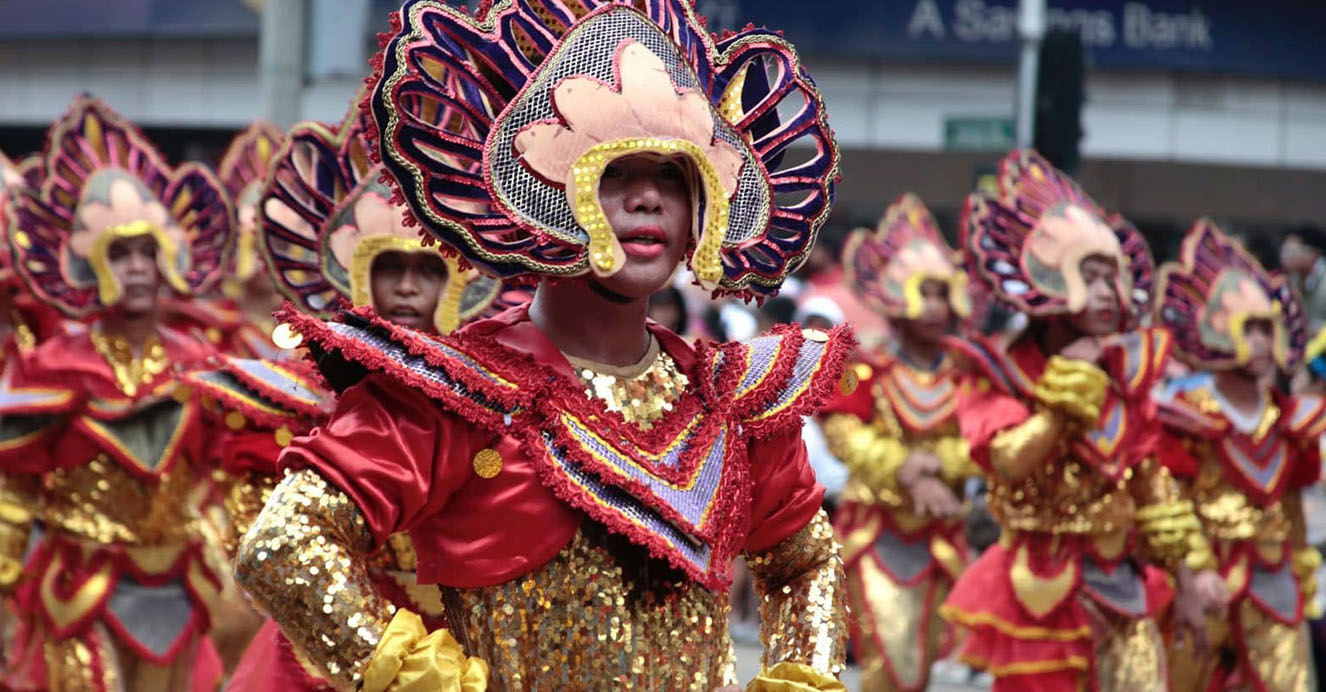
Festivals and Celebrations burst with vibrant colors and lively music, commemorating religious events, cultural heritage, and local produce.
Language and Literature highlight the linguistic diversity of the Philippines, with Filipino (Tagalog) and English as official languages. The literature reflects a blend of oral traditions and modern storytelling.
Arts and Crafts showcase Filipino ingenuity, with traditional crafts such as weaving and pottery thriving alongside contemporary art forms.
Family and Social Structure
Values and Traditions
Modern Influences and Globalization
Filipino People and Religion
The inhabitants of the Philippines hold devout religious beliefs, with Christianity as the predominant faith—a legacy profoundly influenced by Spain. Regular worship is a customary practice among the populace.
The Collective Spirit
In the Philippines, the cultural cornerstone known as “bayanihan” embodies a collective spirit. Originating from the Filipino term “bayan,” which signifies nation, town, or community, it involves people uniting in a collaborative effort to lend a helping hand—truly embodying unity and support.
Conclusion
Filipino culture is a captivating tapestry woven with historical legacies, vibrant traditions, and a strong sense of community. Its richness lies not only in tangible aspects like cuisine and festivals, but also in the intangible values of family unity, respect, and communal spirit. Exploring Filipino culture reveals a world of warmth and diversity, inviting everyone to embrace its beauty.
FAQs About Filipino Culture
-
What makes Filipino cuisine unique?
Filipino cuisine’s uniqueness arises from its fusion of indigenous flavors with Spanish, Chinese, and American influences, creating a palate that is both diverse and savory.
-
How important are festivals in Filipino culture?
Festivals hold immense significance, celebrating religious events, historical milestones, and local traditions while uniting communities in colorful and joyful festivities.
-
What role does family play in Filipino society?
Family is the cornerstone of Filipino society, emphasizing close ties, mutual support, and unity among extended family members.
-
How has globalization affected traditional Filipino culture?
Globalization has introduced modern influences that impact traditional practices. However, ongoing efforts aim to balance the preservation of heritage with the embrace of global changes.
-
How can one experience and appreciate Filipino culture?
Immersing oneself in Filipino festivals, sampling diverse cuisines, and engaging with locals provides a genuine insight into the warmth and richness of Filipino culture.